

IEC 60068-2-14 Na/Nb Testing: Why Semiconductor Devices Need Thermal Shock Validation
Publish Time:2026-08-19Views:()
Test Standard: IEC 60068-2-14 — Environmental Testing — Part 2-14: Tests — Test N: Change of Temperature
IEC 60068-2-14 is one of the most widely referenced environmental testing standards in the electronics industry. Its Test N (change of temperature) includes two sub-tests: Test Na (rapid change of temperature with specified transition time) and Test Nb (change of temperature with specified rate of change). For semiconductor devices, both tests serve distinct but complementary reliability purposes.
The Challenge: Thermal Fatigue in Semiconductor Components
Semiconductor devices experience temperature changes throughout their lifecycle — from solder reflow during assembly (peak ~260°C), to burn-in testing (85°C-150°C), to field deployment where power cycling creates internal thermal gradients. Each thermal transition generates stress at material interfaces.
Thermal fatigue differs from thermal shock in mechanism: while thermal shock focuses on immediate, catastrophic failure from rapid transitions, thermal fatigue accumulates damage over many cycles. However, the line between the two blurs when transition times are short. IEC 60068-2-14 Test Na addresses the thermal shock regime, while Test Nb addresses controlled-rate temperature cycling.
For semiconductor components, key thermal fatigue failure modes include:
· Die attach cracking: CTE mismatch between silicon (3 ppm/°C) and copper lead frame (17 ppm/°C)
· Solder ball fatigue: Particularly in BGA packages under automotive temperature cycling
· Molding compound cracking: Especially in thin packages with high filler content
· Metallization stress: Aluminum and copper interconnects experience fatigue from repeated expansion/contraction
IEC 60068-2-14 Test Na and Nb: Key Requirements
Test Na — Rapid Change of Temperature:
· Two-temperature exposure: typically T1 = -40°C, T2 = +125°C
· Transfer time between temperatures: 2-3 minutes (manual) or automatic
· Dwell time at each temperature: depends on specimen thermal mass, minimum 3 minutes for small components
· Number of cycles: typically 5 (screening) to 100+ (qualification)
Test Nb — Change of Temperature with Specified Rate:
· Same temperature extremes as Test Na
· Rate of change: typically 1°C/min, 3°C/min, 5°C/min, or 10°C/min
· Number of cycles: typically 2 (screening) to 50+ (qualification)
· The slower rate allows stress relaxation, making this test less severe but more representative of real-world thermal cycling
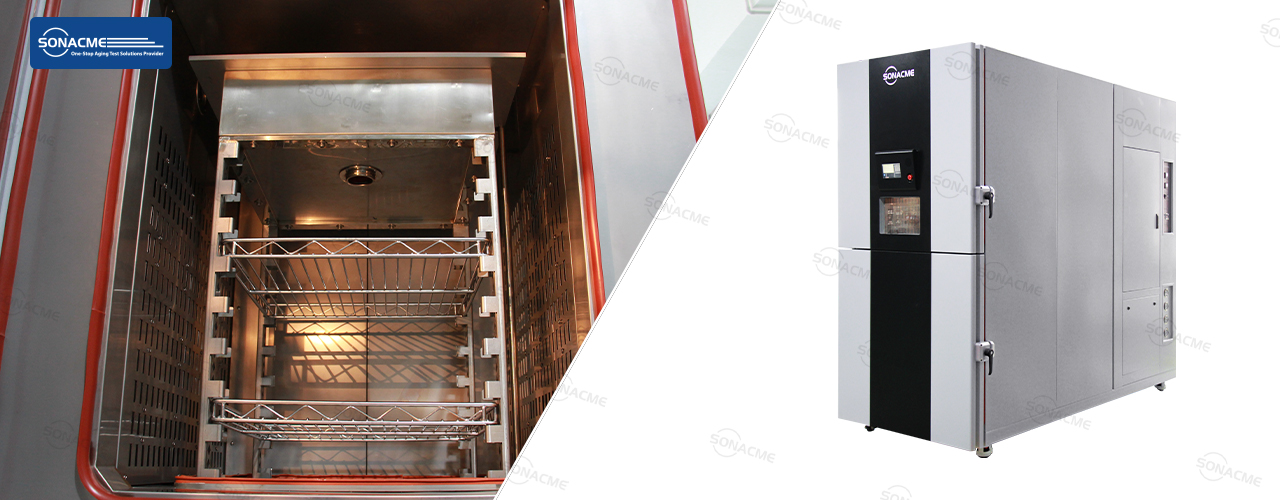
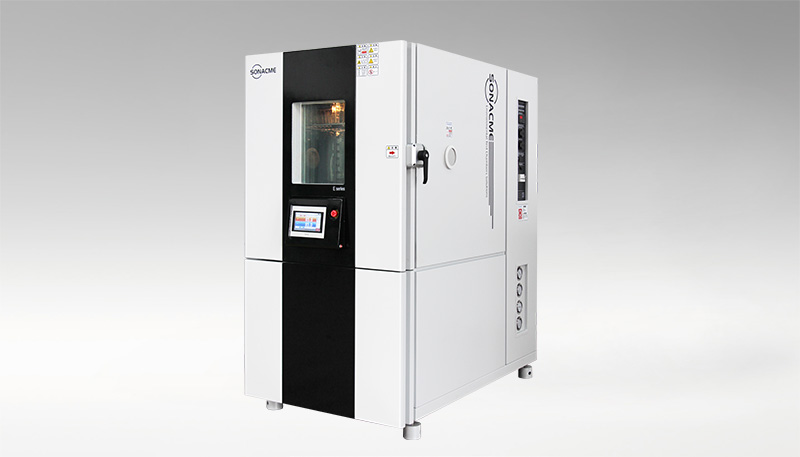
SONACME Thermal Shock Test Chamber: Dual-Mode Capability for IEC 60068-2-14
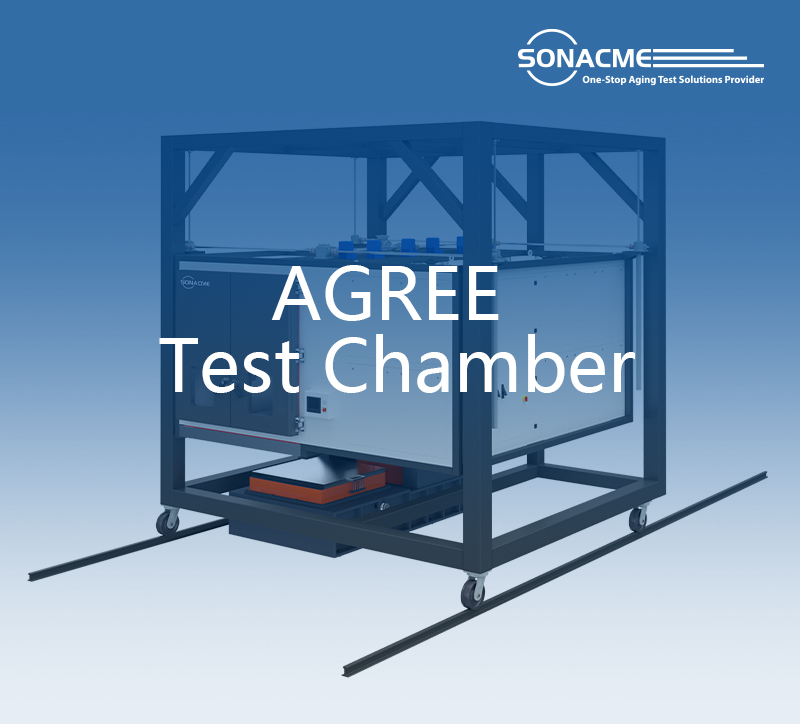
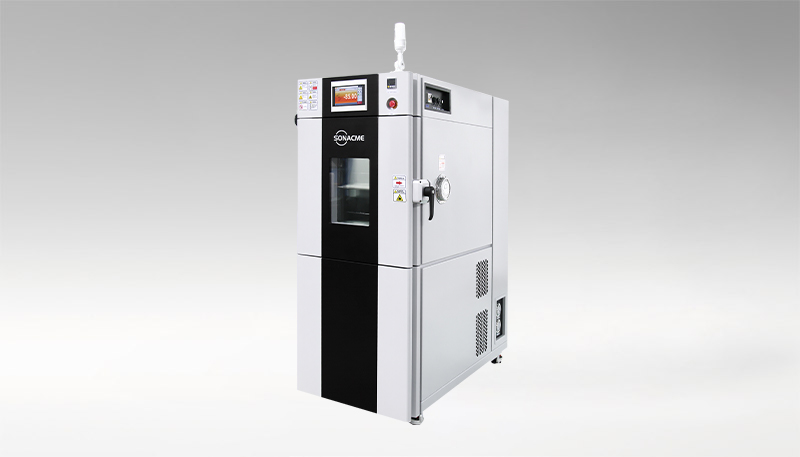
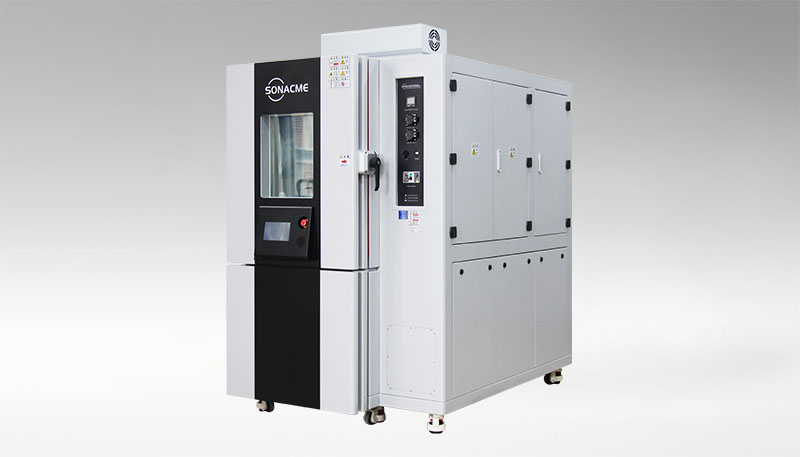
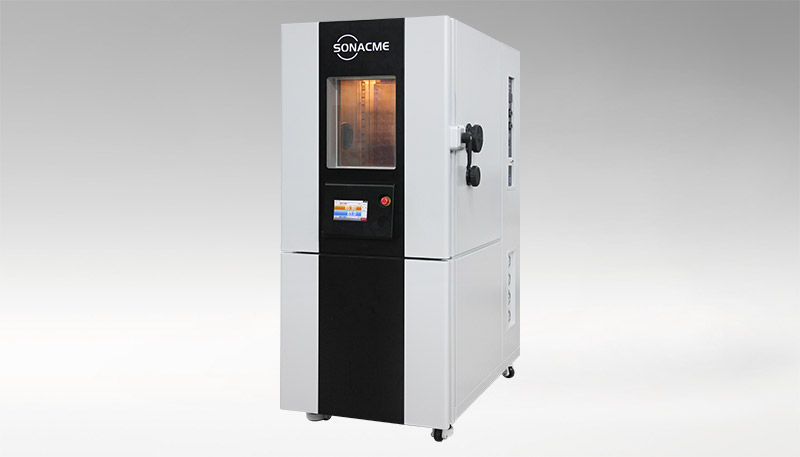
SONACME's thermal shock chambers are designed to support both Test Na and Test Nb protocols. The two-zone elevator model handles Test Na with rapid basket transfer, while the three-zone damper model supports both tests with programmable transition rates.
Key Technical Parameters:
Parameter | Test Na (Two-Zone) | Test Nb (Three-Zone) |
High Temperature | +60°C to +200°C | +60°C to +200°C |
Low Temperature | -40°C / -55°C / -65°C | -40°C / -55°C / -65°C |
Transition Mechanism | Basket transfer (<10s) | Damper switching |
Volume Range | 50L - 1000L | 50L - 1000L |
Load Capacity | 30-100 kg | 30-100 kg |
Insulation | 100mm polyurethane | 100mm polyurethane |
The SONACME self-developed controller supports:
· Programmable transition rates for Test Nb (1°C/min to 15°C/min)
· Automatic cycle counting with interim inspection pauses
· Data logging of chamber temperature and specimen temperature (with external sensors)
· USB export of all test data for compliance records
Implementing IEC 60068-2-14 in Semiconductor Qualification
A comprehensive semiconductor thermal validation program typically includes:
1. Test Na screening: 5-10 rapid transitions to catch gross defects (delamination, cracked die)
2. Test Nb qualification: 50-100 controlled-rate cycles to assess fatigue life
3. Combined with electrical testing: Parametric measurements before, during (interim), and after testing
4. Failure analysis: Cross-sectioning, SAM, X-ray for any devices that fail post-test electrical screening
The SONACME chamber's ability to perform both Test Na and Test Nb in a single unit makes it a cost-effective choice for labs that need to run both protocols but have limited floor space or budget.
The IEC 60068-2-14 Advantage for Global Market Access
IEC 60068-2-14 is recognized by IEC CB Scheme members worldwide, making it a passport for global market access. Semiconductor manufacturers who test to IEC 60068-2-14 can leverage CB test certificates to obtain national certifications in over 50 countries without re-testing.
SONACME's thermal shock chambers, with their compliance to IEC 60068-2-14, MIL-STD-883, MIL-STD-810, and JEDEC standards, provide semiconductor manufacturers with a single platform for multi-standard compliance testing.
Contact SONACME Technology to discuss how our thermal shock chambers can streamline your IEC 60068-2-14 compliance testing.
Latest News
-
JESD22-A104 Temperature Cyc...
IEC 60068-2-14 Na/Nb thermal shock testing guide for...
-

IEC 60068-2-14 Nb: Rapid Te...
IEC 60068-2-14 Na/Nb thermal shock testing guide for...
-

MIL-STD-810 Method 503 Ther...
IEC 60068-2-14 Na/Nb thermal shock testing guide for...
-
JEDEC JESD22-A106 Complianc...
IEC 60068-2-14 Na/Nb thermal shock testing guide for...
-
Meeting ISO 26262 Standards...
IEC 60068-2-14 Na/Nb thermal shock testing guide for...
-
IEC 60068-2-38 Environmenta...
IEC 60068-2-14 Na/Nb thermal shock testing guide for...
+86-180 2704 9206
Tel:+86(0769)83234966
E-Mail:info@sonacme.com
Contacts:Marcia/+86-180 2704 9206
Add:Building 7, No.310 Songbai Road, Liaobu Town, Dongguan City, Guangdong




 +86-180 2704 9206
 WhatsApp:+86-180 2704 9206
 info@sonacme.com