

JESD22-A104: Rapid Temperature Change Test Chamber for ICs
Publish Time:2026-10-30Views:()
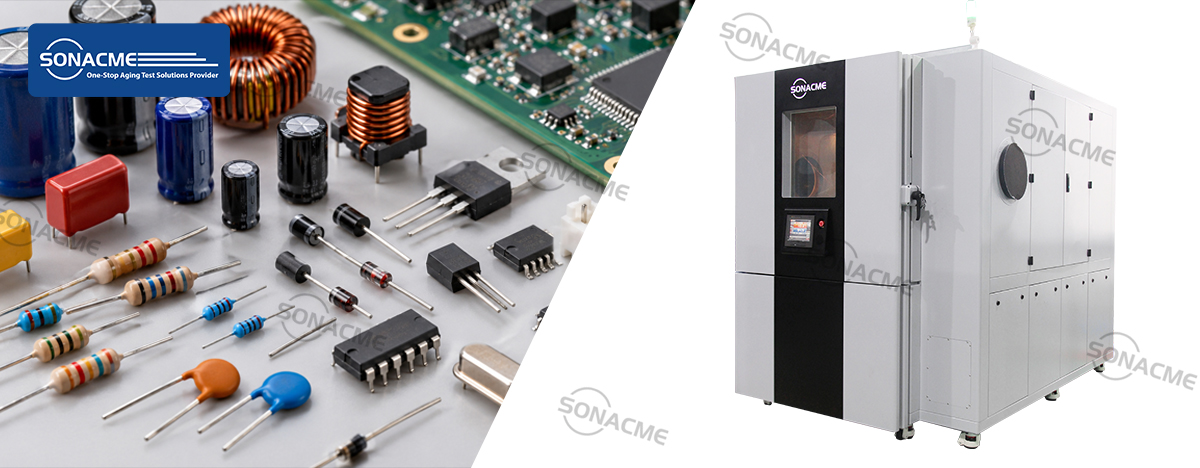
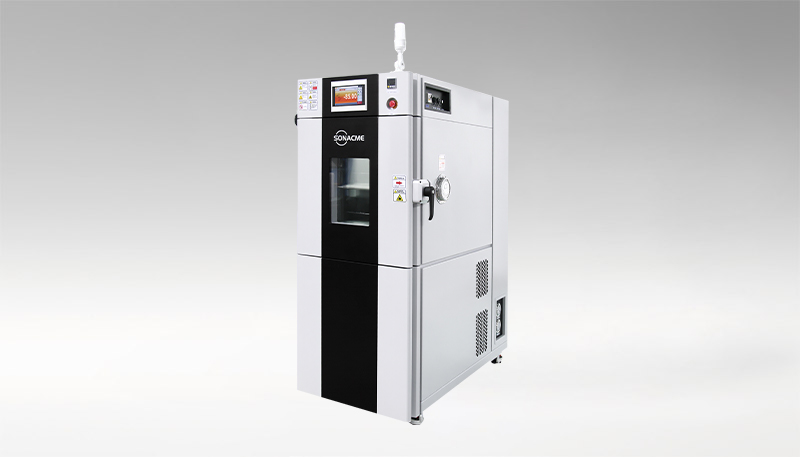
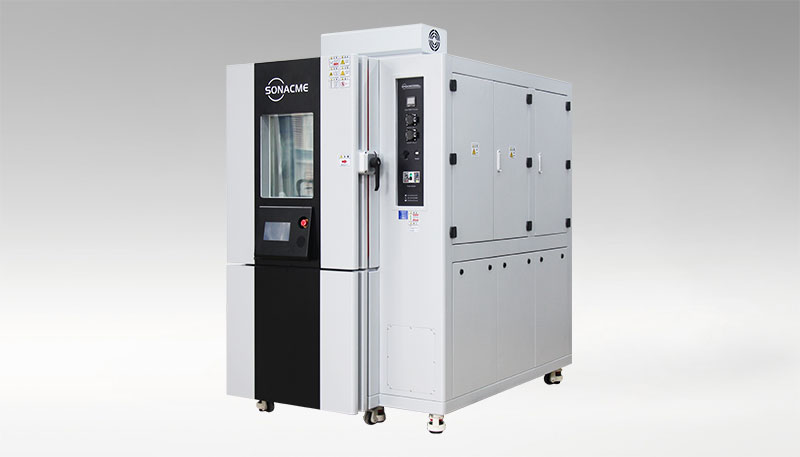
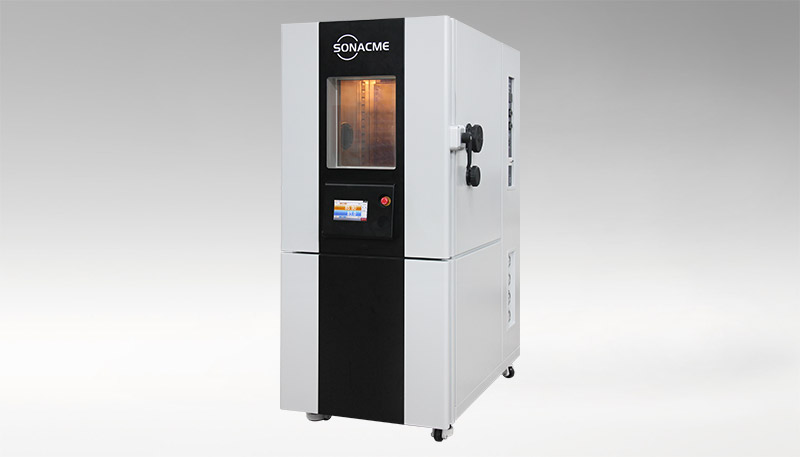
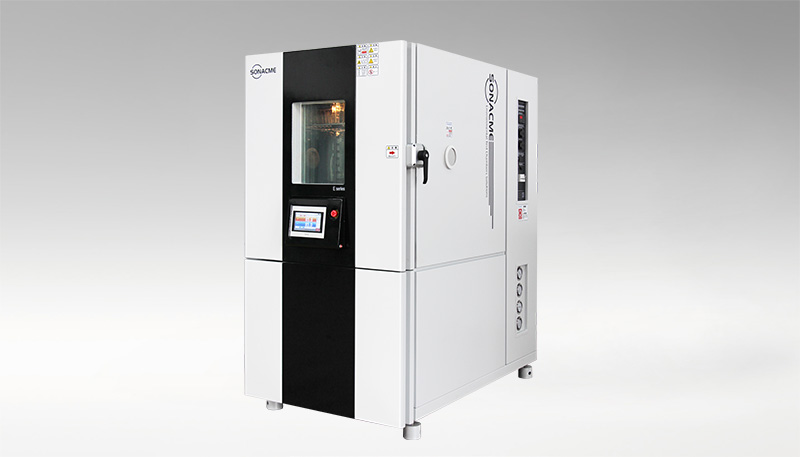
JESD22-A104: Rapid Temperature Change Test Chamber for ICs. Semiconductor packages experience repeated temperature changes during manufacturing, transport, and service. Differences in thermal expansion between package materials can place cyclic stress on die attach layers, wire bonds, solder joints, and other interconnects. Temperature cycling is used to assess how a device or assembly responds to repeated exposure to specified high and low temperatures.SONACME Techonlogy. works with teams to identify an environmental test setup for their application.
What JESD22-A104 covers
JEDEC JESD22-A104 describes temperature cycling for components and solder interconnections. The selected condition, cycle count, transition rate, dwell time, and specimen temperature should come from the applicable qualification plan and the current revision of the method. Chamber air temperature alone may not represent the temperature reached by a loaded specimen, so sensor placement and load configuration matter.
Choosing a chamber
A rapid temperature change test chamber can provide programmed transitions and controlled exposure across the working zone. When planning a test, engineers should consider the sample mass, fixture design, required rate of change, temperature limits, recovery between cycles, and monitoring points. Powered testing may also require external electrical connections and a compatible measurement system.
Plan around the specimen
A well-documented test connects the standard condition to the actual package and its use environment. Define the specimen, mounting method, test profile, and electrical measurements before starting. SONACME can review these requirements and help identify a suitable temperature test chamber configuration. Contact our team with your device dimensions, target profile, and test quantity.
Practical test planning
Rapid Temperature Change Test Chamber should be evaluated against the actual specimen, fixture, test sequence, and safety review. For semiconductor qualification, the test objective should be stated before equipment is selected. A package-level screen may focus on solder fatigue, while a process qualification may also track electrical drift or intermittent connections. Agree on the inspection method and the criteria for failure before the first cycle. Record the sample lot, board or fixture details, sensor locations, and any powered monitoring. After exposure, compare electrical results and visual findings with the baseline. These records make it easier to distinguish a real package weakness from variation introduced by mounting or measurement.
For teams applying this method, JESD22-A104: Rapid Temperature Change Test Chamber for ICs helps define the specimen, test profile, and required evidence. Contact SONACME to review your qualification requirements.
Latest News
-

How to Choose a Temperature...
A practical guide to JESD22-A104 temperature cycling...
-
JESD22-A104 Temperature Cyc...
A practical guide to JESD22-A104 temperature cycling...
-

IEC 60068-2-14 Nb: Rapid Te...
A practical guide to JESD22-A104 temperature cycling...
-

MIL-STD-810 Method 503 Ther...
A practical guide to JESD22-A104 temperature cycling...
-
IEC 60068-2-14 Na/Nb Testin...
A practical guide to JESD22-A104 temperature cycling...
-
JEDEC JESD22-A106 Complianc...
A practical guide to JESD22-A104 temperature cycling...
+86-180 2704 9206
Tel:+86(0769)83234966
E-Mail:info@sonacme.com
Contacts:Marcia/+86-180 2704 9206
Add:Building 7, No.310 Songbai Road, Liaobu Town, Dongguan City, Guangdong




 +86-180 2704 9206
 WhatsApp:+86-180 2704 9206
 info@sonacme.com
